Psychology in the gym: extra or essential?
Sports psychology is also thriving in fitness. Is it just a supplement to training?
 admin timp
·
Reading time: 5 min.
admin timp
·
Reading time: 5 min.
Sports psychology: keys to a booming discipline
Is psychology in the gym something you can do without?
A body in excellent physical condition will positively influence psychological well-being, and vice versa. So, if an athlete has good emotional balance, high self-esteem, and knows how to manage their personal circumstances psychologically in the right way, they will undoubtedly perform better in whatever sport they practice. What’s more, when tackling their training routines, psychology will help them focus more and better in each session, leading to more satisfying results.
How psychology boosts fitness performance
- First, they assess the user’s personal and psychological circumstances to understand how they are affecting their performance during training. To do this, they may interview the client, observe how they train, and administer a questionnaire. The main tools used at this stage are:
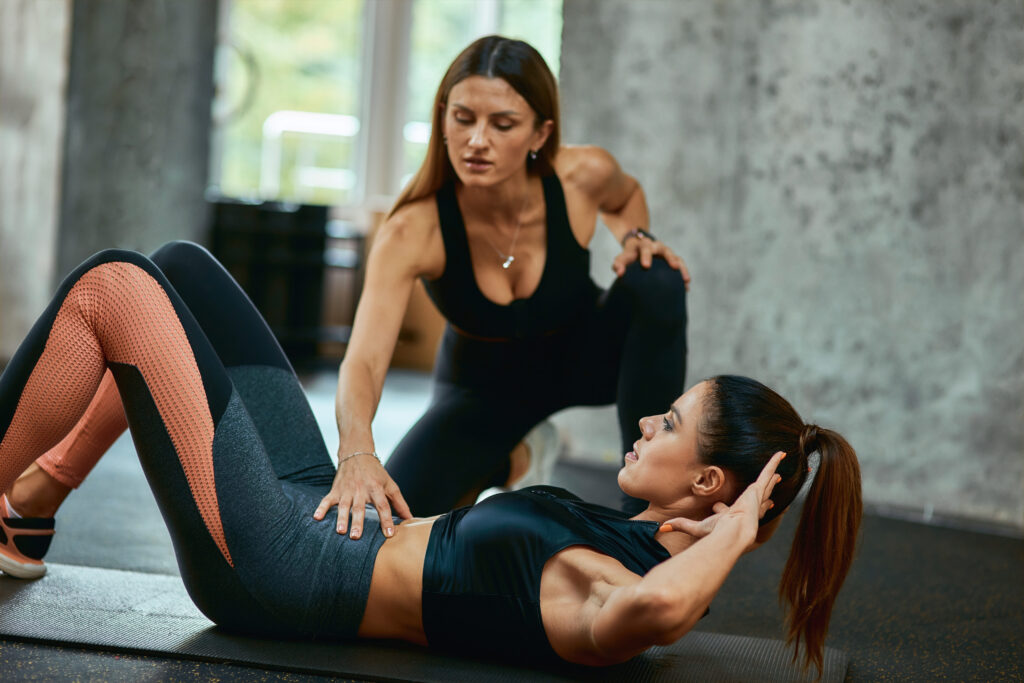
- Personal interviews: the sports psychologist will get to know the center’s client in greater depth—what motivates them to train, how they see themselves in daily life and while training, their level of self-esteem, etc.—and with all this information, map out an effective strategy.
- Test batteries and questionnaires: to understand how they feel when training and identify possible emotional or psychological barriers that may be hindering their progress.
- Self-observation and self-recording procedures: the person training is the one who notes their performance, their stats, and how they feel before, during, and after training. The sports psychology professional will then use this information to design improvement strategies.
- Observation of the user’s behavior and habits: this objective information complements the more subjective information the trainee provides to the sports psychologist.
- Psychophysiological records: these are physiological indicators (heart rate, sweating level, muscle tension…) that sometimes reflect not only the level of physical activity but also the athlete’s psychological state at a given moment.
- Once they understand the user’s psychological and emotional state, as well as their motivations and expectations, the sports psychologist focuses their efforts on teaching them techniques and strategies to increase motivation, training adherence, and attention to the activity to be performed. To do so, they will carry out the following actions:
- Psychological training: development and maintenance of the psychological skills involved in training, such as motivation, attention, concentration, self-instructions during the activity…
- Design of psychological strategies that make it easier to start training and stick with it, minimizing dropout in particular.
- Implementation of psychological strategies focused on improving quality of life through the trainee’s physical activity.
- Afterwards comes a results evaluation phase, for which many of the strategies and tools discussed in the previous two points will be applied, in order to measure the success achieved and rethink the strategy if necessary if performance could be improved.
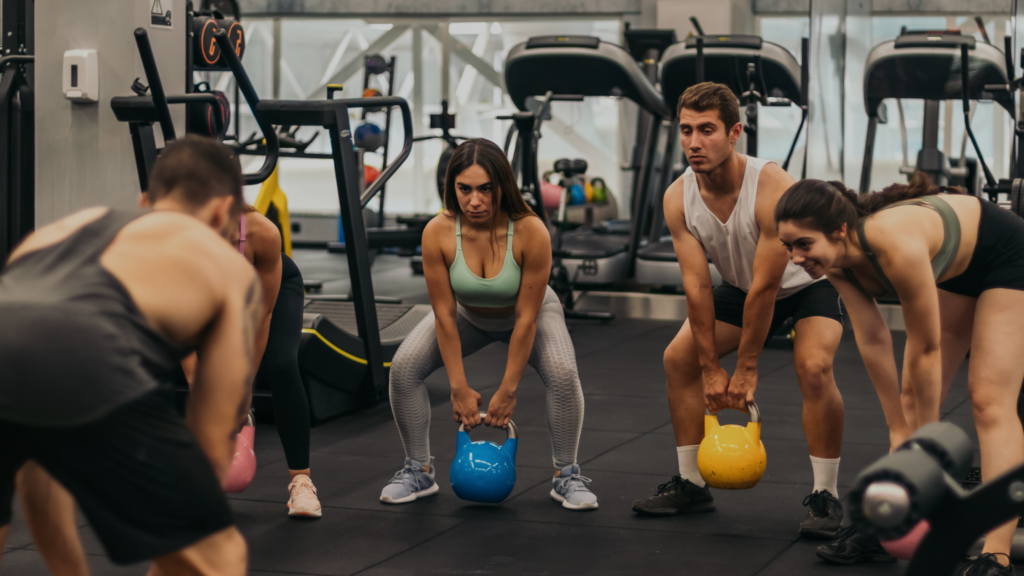
- The sports psychologist can also advise groups of users, usually focusing on instructor-led classes and group training.
And if you still don’t have this professional on your staff, perhaps this article has opened your eyes to their importance in sport.
Sources:
We want to be the push you need to take your business to the next level. Are you in?
I want a free demo call!